
Introduction
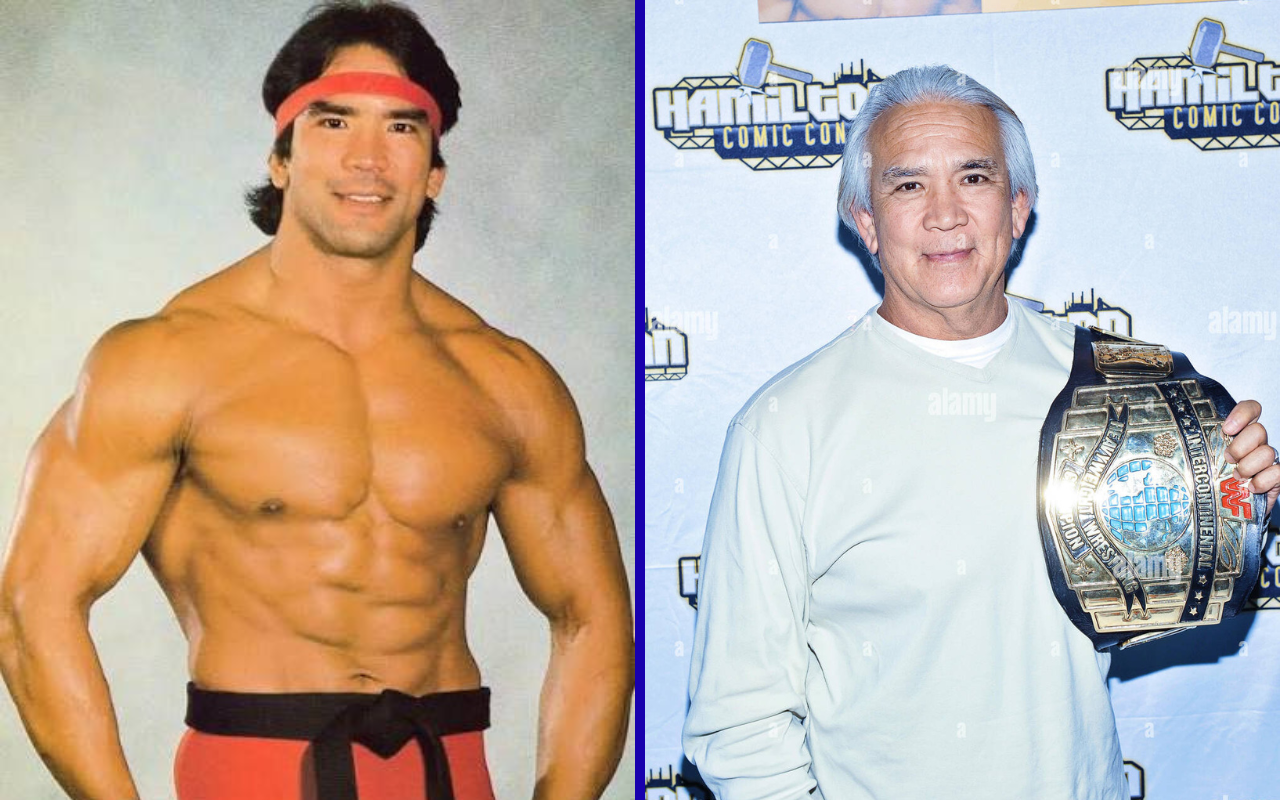
Richard Henry Blood is the birth name of legendary professional wrestler Ricky “The Dragon” Steamboat. Born on February 28, 1953, in West Point, New York, Blood went on to become one of the most respected and admired performers in professional wrestling history. Although millions of fans know him by his famous wrestling name, his real name is Richard Henry Blood, a name that remained closely connected to his identity outside the ring.
Steamboat became famous for his athletic wrestling style, technical ability, discipline, and memorable rivalries. Unlike some wrestling stars who relied heavily on dramatic personalities, Steamboat became known for combining physical skill with an energetic and highly competitive style. His matches were often praised for their storytelling, timing, and athletic quality.
During a career spanning several decades, Richard Henry Blood competed for major wrestling organizations and promotions, including the American Wrestling Association, National Wrestling Alliance, Jim Crockett Promotions, World Championship Wrestling, and the World Wrestling Federation, now known as WWE. He won major championships and became particularly famous for his rivalry with Ric Flair and his unforgettable match against Randy Savage at WrestleMania III.
His legacy also continued through his family. His son, Richie Steamboat, followed him into professional wrestling and used the ring name Steamboat, creating another connection between the Blood family and the wrestling industry.
Early Life of Richard Henry Blood
Richard Henry Blood was born on February 28, 1953, in West Point, New York. Although West Point is strongly associated with the United States Military Academy, Blood’s future would take him in a completely different direction. He eventually became involved in professional wrestling and developed the skills that would make him one of the industry’s most recognizable performers.
His early life laid the foundation for a career that required exceptional physical conditioning and discipline. Professional wrestling demanded strength, stamina, coordination, and the ability to perform under pressure, and Blood developed these qualities throughout his youth and early adulthood.
As he entered the wrestling world, he adopted the name Ricky Steamboat. The nickname “The Dragon” eventually became an important part of his wrestling identity. Under this character, he created a persona that combined athleticism with a disciplined and competitive approach.
The name Ricky Steamboat became far more famous than his birth name, but Richard Henry Blood remained the person behind one of professional wrestling’s most respected characters.
Beginning of His Wrestling Career
Richard Henry Blood began his professional wrestling career during the 1970s. Like many successful wrestlers of his generation, he worked through different wrestling territories and promotions before becoming a major national star.
His early career provided the experience necessary to develop his wrestling technique and learn how to connect with audiences. During this period, he worked for organizations including the American Wrestling Association and other regional promotions.
Professional wrestling during this era was structured around territories, meaning wrestlers frequently traveled between different regions and promotions. This system gave performers opportunities to gain experience against a wide range of opponents.
Steamboat quickly became known for his athletic approach. He was capable of delivering technically strong performances while also maintaining the excitement expected from professional wrestling. His physical conditioning allowed him to perform at a high level, and his style eventually helped distinguish him from many other wrestlers.
The foundation established during these early years would become extremely important when he moved into larger promotions.
Rise Through the NWA and Jim Crockett Promotions
One of the most important periods of Richard Henry Blood’s career came through the National Wrestling Alliance and Jim Crockett Promotions.
The NWA was one of the most influential organizations in professional wrestling during the period when Steamboat was establishing himself as a major star. Competition was intense, and becoming a championship-level wrestler required both athletic ability and strong performances.
Steamboat eventually became one of the promotion’s leading performers. His work in the NWA helped establish his reputation as a technically gifted wrestler capable of competing at the highest level.
His rivalry and matches with Ric Flair became particularly important. Flair was one of the defining stars of professional wrestling, and their encounters became highly respected by wrestling fans.
The contrast between the two performers helped make their matches compelling. Flair was known for his charismatic “Nature Boy” persona, while Steamboat was presented as an athletic and disciplined competitor. Their different styles created a natural foundation for memorable wrestling matches.
Steamboat’s NWA career ultimately included winning the NWA World Heavyweight Championship, one of the most prestigious championships in professional wrestling at the time.
The Legendary Rivalry With Ric Flair
Richard Henry Blood’s rivalry with Ric Flair is one of the defining parts of his career.
Their matches were praised because they combined technical wrestling, athletic movement, physical intensity, and strong storytelling. Rather than simply relying on spectacle, the two performers built matches around counters, reversals, endurance, and carefully developed sequences.
Steamboat and Flair became examples of how two highly skilled wrestlers could create memorable matches through in-ring chemistry.
Their rivalry continued across different periods and promotions, and their encounters became part of professional wrestling history. Fans and critics frequently regarded their matches as among the best examples of traditional wrestling competition.
The rivalry also helped establish Steamboat’s reputation beyond individual championship victories. He became known as a wrestler who could consistently deliver high-quality performances against elite opponents.
For many wrestling fans, the Steamboat-Flair rivalry represents one of the best examples of competitive professional wrestling during the 1980s.
WWF and the WrestleMania III Match
Another major stage in Richard Henry Blood’s career came when he joined the World Wrestling Federation.
During his WWF career, he became known as Ricky “The Dragon” Steamboat. The character helped introduce him to a much larger national audience as the WWF expanded its popularity.
One of the biggest moments of his career came at WrestleMania III in 1987, when Steamboat faced Randy “Macho Man” Savage.
The match became legendary. Savage and Steamboat created a fast-paced and athletic contest that included numerous memorable sequences. The match was also notable because of its detailed storytelling and the physical commitment of both performers.
Steamboat ultimately won the WWF Intercontinental Championship from Savage at WrestleMania III.
The match is frequently remembered as one of the greatest WrestleMania matches of its era. It helped establish Steamboat as a performer capable of producing exceptional matches on the industry’s biggest stage.
For many fans, the WrestleMania III encounter remains one of the most important highlights of his career.
The Dragon Character and Wrestling Style
The nickname “The Dragon” became an important part of Ricky Steamboat’s wrestling identity. His presentation combined martial-arts-inspired imagery with an athletic wrestling style.
However, the character never overshadowed his abilities in the ring. Steamboat’s greatest strength remained his performance style.
He was known for quick movements, technical wrestling, high-energy exchanges, and strong conditioning. He could perform lengthy matches while maintaining a high level of intensity.
His wrestling style also emphasized respect and competition. While professional wrestling involves predetermined outcomes, successful performers still have to create the feeling of genuine competition for the audience.
Steamboat excelled at this. His facial expressions, timing, reactions, and physical selling helped make his matches feel meaningful.
This combination of athleticism and storytelling contributed heavily to his reputation as one of professional wrestling’s most technically skilled performers.
WCW and Later Wrestling Career
Richard Henry Blood later competed in World Championship Wrestling, commonly known as WCW. His return to major wrestling competition allowed him to work with another generation of performers.
WCW provided Steamboat with opportunities to participate in important matches and rivalries. His experience made him a valuable opponent for younger wrestlers and established stars.
His career also demonstrated his ability to remain relevant despite changes in professional wrestling. Wrestling evolved significantly during the 1980s and 1990s, with new styles, characters, and television formats becoming increasingly important.
Steamboat’s reputation for technical excellence remained strong throughout these changes.
He eventually stepped away from full-time wrestling competition, but his influence continued through his legacy and later appearances connected to professional wrestling.
His career across multiple major organizations made him one of the few performers whose accomplishments were recognized across different eras of the industry.
Family and Son Richie Steamboat
Richard Henry Blood’s wrestling legacy continued through his son, Richie Steamboat.
Richie Steamboat, whose birth name is Richard Henry Blood Jr., followed his father into professional wrestling. This made the Blood family one of the families connected to multiple generations of the wrestling business.
Having a father who was already a respected wrestling legend gave Richie a unique connection to the industry. At the same time, becoming a professional wrestler required him to develop his own abilities and establish his own identity.
The use of the Steamboat name naturally created comparisons between father and son.
For Richard Henry Blood, his son’s involvement in wrestling represented another chapter in the family’s connection to the sport. The younger Steamboat competed during the modern era of wrestling and was associated with WWE’s developmental system.
The father-son connection remains an important part of Richard Henry Blood’s legacy because it demonstrates how his influence extended beyond his own career.
Legacy and Influence on Professional Wrestling
Richard Henry Blood’s greatest contribution to professional wrestling may be the standard he helped establish for athletic and technically focused performances.
He became respected by fans, fellow wrestlers, and industry observers because of his professionalism and consistency. His career showed that a wrestler did not need to rely solely on an exaggerated personality to become a major star.
His matches with Ric Flair and Randy Savage remain especially important. Both rivalries demonstrated his ability to create compelling contests with different types of opponents.
The WrestleMania III match with Savage became particularly influential because of its athletic quality and detailed storytelling. It helped show audiences that professional wrestling could combine entertainment with exceptional in-ring performance.
Steamboat’s career also helped inspire later generations of wrestlers who emphasized technical ability, athleticism, and match quality.
His reputation has remained strong long after his full-time wrestling career ended. For many fans, Ricky “The Dragon” Steamboat represents one of the clearest examples of a wrestler whose legacy was built primarily through his performances inside the ring.
Conclusion
Richard Henry Blood, better known to wrestling fans as Ricky “The Dragon” Steamboat, is one of the most respected figures in professional wrestling history. Born on February 28, 1953, in West Point, New York, he developed a career that took him through several of the industry’s most important organizations.
His journey included major success with the NWA, Jim Crockett Promotions, the WWF, and WCW. He won the NWA World Heavyweight Championship and the WWF Intercontinental Championship, establishing himself as a championship-level performer.
His rivalry with Ric Flair became one of the most celebrated rivalries in wrestling history, while his WrestleMania III match against Randy Savage became one of the most memorable matches ever staged at the event.
Beyond championships and famous matches, Steamboat’s legacy comes from his commitment to athleticism, technical wrestling, professionalism, and storytelling. He showed that a wrestler could become a major star through exceptional performances and genuine respect for the craft.
His influence also continued through his son, Richie Steamboat, whose career created another generation of the Blood family’s connection to professional wrestling.
Although Richard Henry Blood is less widely known by his birth name than by his famous wrestling persona, the man behind “The Dragon” remains an important part of wrestling history. His career and memorable matches continue to be remembered by fans, making Ricky Steamboat one of the enduring legends of professional wrestling.