
Introduction
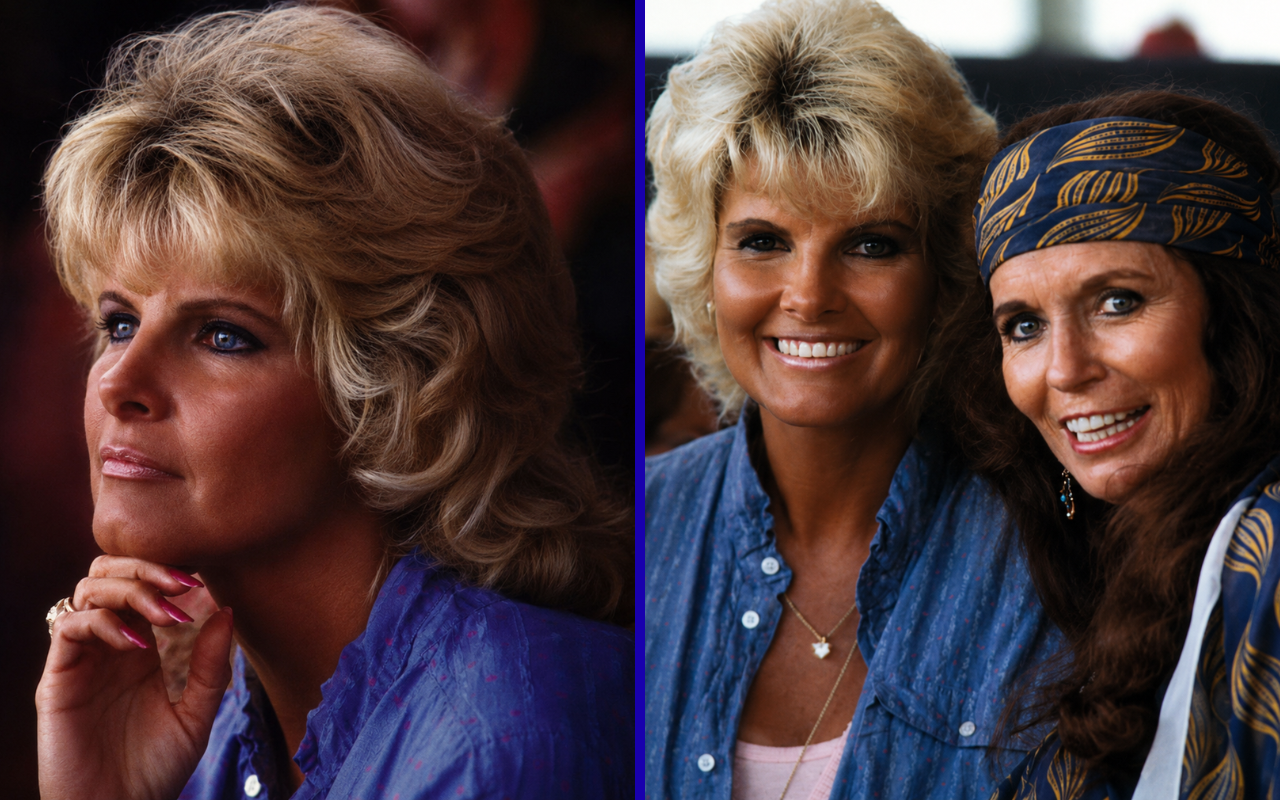
Connie Koepke is an American former film producer who is best known for her marriage to country music legend Willie Nelson. Their relationship began during an important period in Nelson’s personal and professional life, and the couple eventually married in 1971. They had two daughters, Paula and Amy, before ending their marriage in 1988. Although Connie became publicly known because of Willie Nelson, she had interests and professional activities of her own, including connections to the film industry.
Connie’s life is especially interesting because she was with Willie Nelson during the years when he was developing the musical identity that would eventually make him one of the most influential artists in American country music. She was also involved in some of his early creative projects and has been connected to the story behind his acclaimed album Red Headed Stranger. Despite these connections, Connie has generally maintained a quieter life than her famous former husband.
Connie Koepke’s Early Life and Background
There is limited publicly verified information about Connie Koepke’s childhood, parents, education and exact early-life circumstances. Unlike Willie Nelson, who has spent decades in the public eye, Connie did not build her identity around being a celebrity. Consequently, many details about her younger years are not well documented.
Some secondary sources have reported different versions of her early professional life. She has been described in some biographies as having worked as a laboratory technician, while other sources emphasize her later involvement in entertainment and film production. IMDb identifies her as a producer and actress under the name Connie Nelson.
The lack of detailed information about Connie’s early years means that many claims found online should be treated carefully. Her later relationship with Willie Nelson is much better documented than her childhood.
Connie eventually became closely connected with the music and entertainment world through Willie. She was present during an important period in his development, when he was moving away from the traditional Nashville country-music system and developing the distinctive Texas-centered style that became associated with him.
Her life therefore became connected to one of the most significant transformations in American country music, even though she herself generally remained away from the spotlight.
How Connie Koepke Met Willie Nelson
Connie Koepke became romantically involved with Willie Nelson during a complicated period in his personal life. At the time, Nelson was married to his second wife, singer Shirley Collie.
According to accounts later discussed in reporting about the documentary series Willie Nelson & Family, Connie and Willie had been involved for several years before their daughter Paula was born in 1969. Nelson eventually acknowledged the relationship and discussed the circumstances in his autobiographical accounts.
The relationship became known to Shirley Collie after a hospital bill arrived at the Nelson home. The bill revealed information about the birth of Paula Carlene Nelson, whose mother was Connie. The discovery brought the relationship into the open and contributed to the breakdown of Willie’s marriage to Shirley.
Willie and Shirley eventually divorced in 1971. That same year, Willie married Connie Koepke.
Their marriage began at a significant moment in Nelson’s career. He was already a respected songwriter and performer, but he had not yet become the international country-music icon known today. His relationship with Connie therefore developed while he was still building his artistic identity.
Connie Koepke and Willie Nelson’s Marriage
Willie Nelson and Connie Koepke married in 1971 and remained together until 1988. Their marriage lasted approximately 17 years and covered one of the most important periods of Nelson’s career.
During the 1970s, Nelson began to move away from the conventional Nashville music industry. He became closely associated with Austin, Texas, and the developing outlaw-country movement. Alongside artists such as Waylon Jennings, he helped popularize a less polished and more independent approach to country music.
Connie was part of Nelson’s family life during this transformation. While he was recording, touring and developing new music, the couple were also raising their children.
The marriage was not without difficulties. Willie Nelson has openly acknowledged that he was unfaithful during his relationships, including during his marriage to Connie. His willingness to discuss these experiences later became part of his broader autobiographical story.
Despite the challenges, Connie and Willie remained married for many years. Their relationship produced two daughters and connected Connie permanently with one of the most recognizable families in country music.
Connie Koepke’s Children
Connie Koepke and Willie Nelson have two daughters, Paula Carlene Nelson and Amy Lee Nelson. Paula was born in 1969, before Connie and Willie officially married, while Amy was born during their marriage.
Paula later followed her father into music. She became a singer, songwriter, musician and radio personality, developing a career of her own while remaining connected to her father’s enormous musical legacy.
Growing up as Willie Nelson’s daughter gave Paula an unusual childhood. She was surrounded by musicians and performers and had the opportunity to experience the entertainment world from an early age. Her father’s touring lifestyle also meant that music was a constant part of her environment.
Amy also developed a strong interest in music. She became associated with the musical group Folk Uke and developed her own creative identity. She has also been associated with animal-rights activism.
Connie’s relationship with Willie ended in divorce, but their children ensured that the family connection continued. Paula and Amy remained part of Willie Nelson’s larger family and maintained their relationship with their father.
Willie has eight children in total from different relationships, making his family history extensive. Connie’s two daughters represent an important branch of that family.
Connie Koepke’s Role in Red Headed Stranger
One of the most fascinating aspects of Connie Koepke’s biography is her reported influence on Red Headed Stranger, the landmark 1975 album by Willie Nelson.
The Library of Congress has documented the story behind the album. During a drive home from a ski vacation in Colorado, Willie reportedly told Connie that he needed to deliver an album to Columbia Records but was unsure what he wanted to record. Connie suggested creating an album that had the feeling of a cowboy movie.
That suggestion became an important part of the creative process that eventually produced Red Headed Stranger.
The album was very different from the highly produced country recordings that were common at the time. Nelson created a sparse, stripped-down sound that allowed the songs and storytelling to take center stage.
The record developed around the story of a mysterious preacher who kills his wife and her lover and becomes a fugitive. Its connected narrative and minimalist sound helped establish it as one of Nelson’s defining artistic works.
The album became hugely influential and was eventually recognized by the Library of Congress as an important recording in American cultural history.
Connie did not write or produce the entire album, and Willie remained the central creative force behind it. However, the story of her suggestion provides an interesting glimpse into the conversations that influenced Nelson’s artistic direction.
Her contribution demonstrates that Connie was not simply observing her husband’s career from the sidelines. She could also participate in discussions that helped inspire his creative decisions.
Connie Koepke and Willie Nelson’s Artistic Image
Connie was also connected to stories about Willie Nelson’s changing artistic image during the 1970s.
One account describes Connie discovering Leon Russell’s music while traveling to pick up a Buick. She reportedly encountered Russell’s album Carney and became interested in his appearance and musical style. She then shared what she had discovered with Willie.
This period was important because Willie Nelson gradually developed the recognizable appearance that became closely associated with his public identity. His long hair, beard and bandana eventually became iconic.
Nelson’s transformation was part of a broader rejection of the polished image traditionally expected of Nashville country performers. He increasingly embraced a relaxed Texas style that matched his independent musical approach.
Connie’s role in this story should not be exaggerated, but it illustrates the way people close to Nelson could influence his thinking. Her observations and interests sometimes became part of the conversations surrounding his music and public image.
These stories make Connie an interesting figure in the background of Nelson’s artistic transformation.
Connie Koepke’s Film and Entertainment Career
Connie Koepke also had professional connections to the entertainment industry beyond her marriage to Willie Nelson.
IMDb credits her as a producer and actress and associates her with projects including Streetwise and other entertainment productions.
Her involvement in film was relatively small compared with Willie Nelson’s enormous career in music, acting and entertainment, but it demonstrates that she had professional interests within the same broader industry.
Willie himself eventually became active in film as well as music. He appeared in movies including The Electric Horseman, Honeysuckle Rose and Barbarosa, making film an important part of his career.
Connie’s work therefore existed within an entertainment environment that increasingly surrounded the Nelson family.
She later appeared in the documentary series Willie Nelson & Family, which provided an opportunity for people who had been close to Willie to discuss different aspects of his life. Her appearance helped add a personal perspective to the story of his career and family.
Although she did not become a major Hollywood personality, her film-related work remains an important part of her biography.
Connie Koepke’s Divorce From Willie Nelson
Connie Koepke and Willie Nelson divorced in 1988 after approximately 17 years of marriage.
By the time their marriage ended, Willie had already become a major figure in country music. His career had moved far beyond the Nashville songwriter years of his youth, and he had established himself as one of the leaders of the outlaw-country movement.
The divorce came after years of personal challenges within the relationship. Willie later spoke candidly about his infidelity and other difficulties in his personal life.
After his divorce from Connie, Willie eventually married Annie D’Angelo in 1991. They had two sons, Lukas and Micah, and remained together for decades.
Connie’s divorce from Willie did not end her place within the Nelson family. Her daughters continued to maintain their relationship with their father, and both later developed their own connections to music.
For Connie, the divorce marked the end of her marriage but not the end of her connection to Willie’s life story.
Connie Koepke’s Life After Divorce
Public information about Connie’s life after her divorce is relatively limited. She has generally chosen privacy rather than maintaining a highly visible celebrity lifestyle.
Her professional involvement with film and entertainment provides occasional information about her activities, but she has not become a regular subject of media coverage.
Her daughters have remained an important part of her public identity. Paula and Amy have both developed musical careers and have continued to be connected with their father’s legacy.
Connie’s appearance in Willie Nelson & Family was particularly notable because it allowed her to appear in a historical account of Willie’s life decades after their marriage had ended.
Even so, Connie has generally avoided turning her connection to Willie into a permanent celebrity career. Her public profile remains much smaller than that of her former husband.
Because she has maintained such a private life, many details about her current activities are difficult to establish with confidence. Online sources sometimes publish specific claims about her age, residence, career or finances, but not all such claims have strong supporting evidence.
The most reliable information concerns her marriage to Willie, their children, her entertainment connections and her role during an important period of Nelson’s musical development.
Connie Koepke’s Net Worth and Financial Life
Connie Koepke’s personal net worth has not been reliably established through authoritative public financial records.
Some websites provide estimated figures, but these numbers are often unsupported and should not be treated as confirmed facts. Being married to a highly successful musician does not automatically establish a spouse’s individual wealth.
Willie Nelson has earned money through music, songwriting, touring, acting, publishing and other entertainment activities. His financial history, however, is separate from Connie’s personal financial situation.
Connie’s own professional work in film and entertainment may have contributed to her income, but there is insufficient public information to calculate her total earnings or assets.
For this reason, it is more accurate to state that Connie Koepke’s net worth is not publicly verified rather than assign a specific dollar figure.
Her importance in Willie Nelson’s history is better understood through her family relationships and personal contributions than through speculative financial estimates.
Connie Koepke’s Legacy
Connie Koepke remains an important figure in the personal history of Willie Nelson. She was his third wife, the mother of two of his daughters and his partner during the years when his music underwent a dramatic transformation.
Her connection to Red Headed Stranger is especially memorable. Her suggestion during a drive from Colorado helped inspire the cowboy-film concept that became central to the album.
She was also part of the period when Nelson was developing his distinctive Texas identity and moving away from the traditional Nashville sound.
At the same time, Connie had professional interests of her own. Her film-related work demonstrates that she was not solely defined by her marriage to Willie Nelson.
Her daughters also extended the family’s musical legacy. Paula became a musician and radio personality, while Amy developed her own musical projects.
Connie’s story consequently provides an interesting perspective on the private world surrounding Willie Nelson during the height of his creative development.
Conclusion
Connie Koepke is best known as Willie Nelson’s third wife, but her life story contains several important elements beyond her famous marriage. She was the mother of Paula and Amy Nelson, developed professional connections to the entertainment industry and shared an important chapter of Willie’s life during his rise to country-music stardom.
Her marriage to Willie began in 1971 and ended in divorce in 1988. During those years, Nelson transformed from a successful songwriter into one of the most influential figures in country music.
One of the most interesting parts of Connie’s story is her connection to Red Headed Stranger. Her suggestion that Willie approach the album like a cowboy movie helped inspire the concept behind one of his most celebrated recordings.
Although Connie has remained largely private, her place in Willie Nelson’s biography continues to attract interest. She was a wife, mother and entertainment professional who was present during a pivotal period in one of America’s most remarkable musical careers.
Today, Connie Koepke is remembered not simply as Willie Nelson’s former wife, but as a woman whose family life, professional interests and personal influence formed part of the story behind one of country music’s most enduring legends.