
Introduction
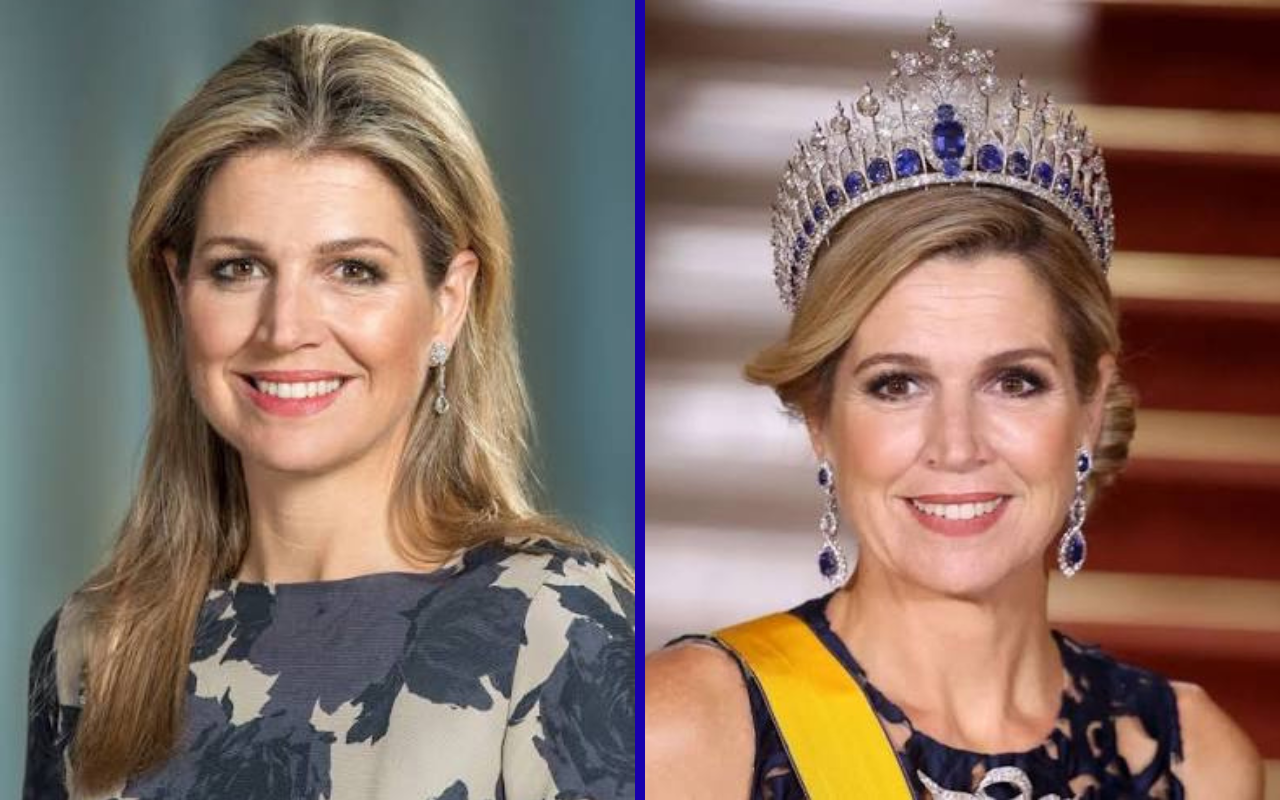
Queen Máxima of the Netherlands is one of the most recognized members of Europe’s modern royal families. Born as Máxima Zorreguieta Cerruti in Argentina, she built a successful career in economics and international banking before becoming part of the Dutch monarchy. Her journey from Buenos Aires to the Dutch royal palace has attracted worldwide attention because it combines professional achievement, international experience, and public service.
Today, Queen Máxima is known not only for her royal role but also for her commitment to improving financial inclusion, supporting education, promoting mental well-being, and representing the Netherlands at home and abroad. Her background in finance has allowed her to bring practical knowledge to many of the causes she supports. At the same time, her approachable personality and active public engagement have made her one of the most popular members of the Dutch royal family.
This article explores her early life, education, professional career, marriage into the Dutch royal family, humanitarian work, family life, public image, and lasting influence.
Early Life and Family Background
Máxima Zorreguieta Cerruti was born on May 17, 1971, in Buenos Aires, Argentina. She grew up in a large family and spent her childhood in the Argentine capital, where she developed an interest in learning, languages, and international affairs. Her upbringing exposed her to different cultural traditions that later helped her adapt to life in another country.
Her parents encouraged education and personal development, and she became interested in economics at an early age. As she grew older, she demonstrated strong academic abilities and a desire to build a professional career based on her own achievements.
Although her family background later became part of public discussion after her engagement to the Dutch crown prince, she consistently focused on her own education, work, and public responsibilities rather than political debates connected with earlier generations.
Education and Interest in Economics
After completing her early education, Máxima studied economics at university in Buenos Aires. During her studies, she gained knowledge of financial markets, business management, and international trade. Economics appealed to her because it combined analytical thinking with practical solutions for real-world problems.
Her university education prepared her for a career in banking at a time when international finance was becoming increasingly global. She also developed strong communication skills and became fluent in several languages, making it easier to work in international business environments.
The combination of academic knowledge and practical experience later proved valuable in both her financial career and her humanitarian work related to financial inclusion.
Career Before Joining the Royal Family
Before becoming a member of the Dutch royal family, Máxima worked in the financial sector in Argentina and later in international banking positions in New York and Europe. Her career exposed her to different financial systems, investment practices, and global business environments.
Working in international finance required professionalism, adaptability, and the ability to understand economic challenges across different countries. These experiences helped shape her understanding of how financial services affect individuals, businesses, and communities.
Unlike many people who later enter public life through marriage into royalty, Máxima had already established a respected professional career. This background continues to distinguish her among modern European royals.
Meeting Willem-Alexander and Becoming Part of the Dutch Royal Family
Máxima met Willem-Alexander, then Crown Prince of the Netherlands, during a visit to Spain. Their relationship gradually developed, and after spending time together they announced their engagement.
Because the Dutch royal family plays an important constitutional role, the engagement attracted significant public interest. Máxima learned the Dutch language, studied Dutch history and traditions, and prepared carefully for the responsibilities that came with joining the monarchy.
The couple married in Amsterdam on February 2, 2002, in a ceremony watched by millions of people around the world. Her warmth, confidence, and willingness to embrace Dutch culture quickly earned admiration from many citizens.
When Willem-Alexander became King of the Netherlands in 2013, Máxima officially became Queen. Since then, she has worked alongside the King in representing the country during official ceremonies, international visits, and national celebrations.
Life as Queen of the Netherlands
As Queen, Máxima performs a wide range of official duties throughout the year. She attends state visits, welcomes foreign leaders, participates in national commemorations, and supports organizations working in education, healthcare, culture, and social welfare.
Modern royal responsibilities extend beyond ceremonial appearances. Queen Máxima regularly visits schools, businesses, hospitals, charities, and community organizations to better understand the challenges faced by citizens and encourage projects that improve society.
She is widely recognized for connecting comfortably with people from different backgrounds. Whether speaking with children, business leaders, healthcare professionals, or volunteers, she is known for showing genuine interest in their experiences and contributions.
Her ability to communicate in multiple languages has also strengthened her role during international visits and diplomatic events.
International Work and Financial Inclusion
One of Queen Máxima’s most significant contributions has been her work promoting financial inclusion around the world. Drawing upon her background in economics and banking, she has supported initiatives designed to increase access to responsible financial services for people who have traditionally been excluded from formal banking systems.
Her international work has included meetings with government officials, financial institutions, entrepreneurs, and development organizations. These discussions often focus on improving opportunities for families, small businesses, and communities through better access to banking, digital payments, savings, and financial education.
Her experience as an economist has given additional credibility to these efforts. Rather than simply serving as a ceremonial representative, she contributes practical understanding of financial systems while encouraging cooperation among governments, businesses, and international organizations.
Family Life and Personal Interests
Queen Máxima and King Willem-Alexander are parents to three daughters: Princess Catharina-Amalia, Princess Alexia, and Princess Ariane. As parents, they have emphasized providing their children with stability while preparing them for future public responsibilities.
Although the royal family participates in official events, they also maintain private family time away from public attention whenever possible. This balance allows their daughters to experience a relatively normal upbringing while gradually learning about royal duties.
Outside official responsibilities, Queen Máxima enjoys music, culture, reading, and spending time with her family. She has frequently shown appreciation for the arts and supports organizations that promote cultural development and education.
Her approachable personality, positive energy, and willingness to engage directly with people have contributed to her popularity both within the Netherlands and internationally.
Public Image and Lasting Influence
Over the years, Queen Máxima has become one of the most admired members of the Dutch royal family. Many people appreciate her combination of professionalism, warmth, and dedication to public service.
She is often recognized for bringing modern perspectives to the monarchy while respecting long-standing traditions. Her international background has also strengthened the royal family’s global outlook, reflecting the increasingly connected nature of today’s world.
Observers frequently note her confident public speaking, active participation in charitable work, and genuine interest in meeting people from different communities. Her influence extends beyond ceremonial duties, particularly through her advocacy for financial inclusion and social development.
Her life story demonstrates that modern royal roles increasingly involve professional expertise, international cooperation, and practical contributions to society.
Conclusion
Queen Máxima’s journey from Buenos Aires to the Dutch royal family is an inspiring example of personal achievement, adaptability, and public service. Her education in economics, successful career in international banking, and commitment to humanitarian work have shaped a unique role within the modern monarchy.
Since becoming Queen of the Netherlands, she has balanced ceremonial responsibilities with meaningful work supporting education, financial inclusion, healthcare, and community development. Her ability to combine professional knowledge with compassion has earned respect from people around the world.
Beyond her royal title, Queen Máxima is recognized as an advocate for opportunity, cooperation, and responsible leadership. Her story illustrates how education, determination, and a commitment to helping others can create a lasting positive influence. As she continues representing the Netherlands on the international stage, her contributions remain an important part of the country’s modern royal history and global engagement.