
Introduction
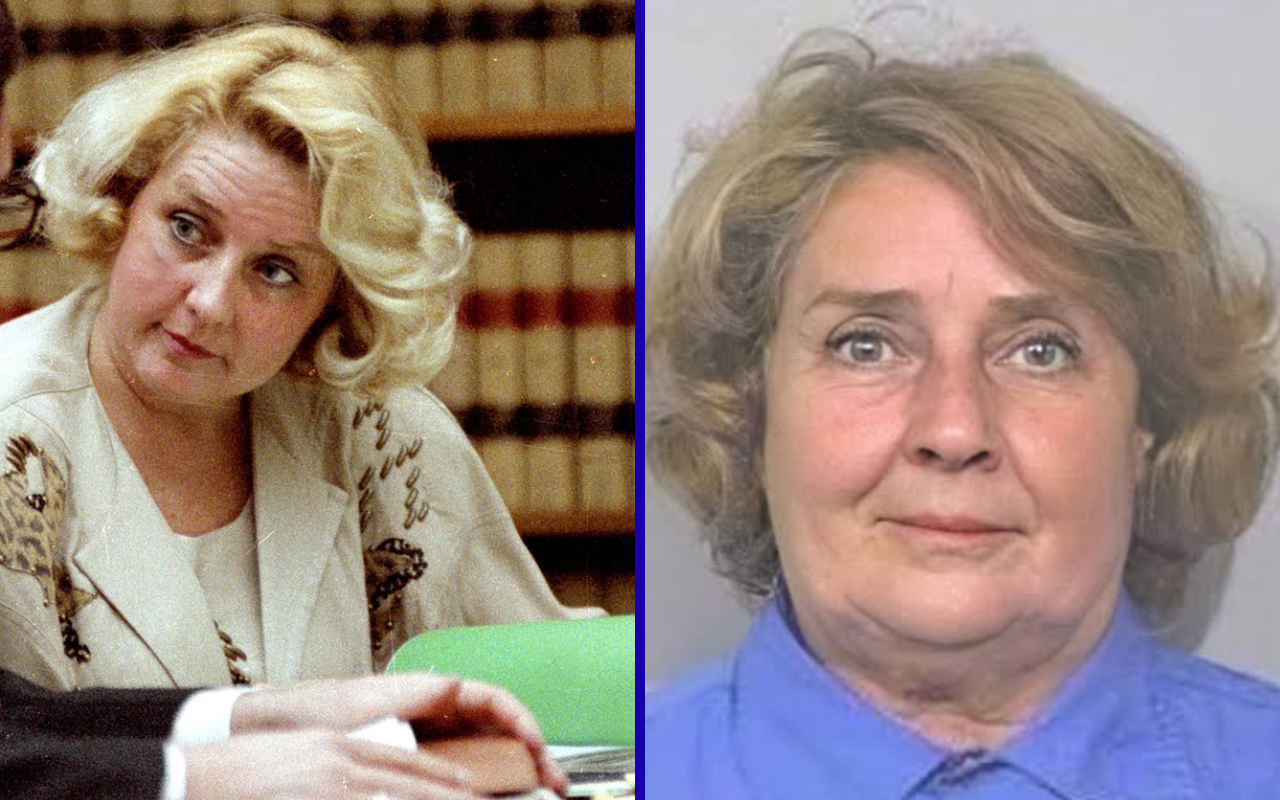
Betty Broderick became one of the most widely discussed women in American true-crime history after the 1989 killings of her former husband, Dan Broderick, and his new wife, Linda Kolkena. For decades, people have searched for information about Betty Broderick today, particularly whether she was still in prison, whether she was ever granted parole and what happened to her children. The answer has now changed permanently. Betty Broderick died on May 8, 2026, at the age of 78 while serving her life sentence in California. Her death brought the final chapter to a case that had remained controversial for more than three decades.
Who Was Betty Broderick?
Betty Broderick was born Elisabeth Anne Bisceglia on November 7, 1947, and grew up in Bronxville, New York, as one of six children. She came from a Catholic family and later attended the College of Mount Saint Vincent, where she studied early childhood education. Her early life was far removed from the criminal notoriety that would eventually define her public identity. She married Dan Broderick in 1969, and the couple eventually moved to California as Dan pursued his professional career.
Dan was a medical doctor who later attended Harvard Law School and became a successful attorney specializing in medical malpractice litigation. Betty concentrated heavily on family life and raising their children while Dan developed his legal career. Their marriage initially appeared to represent a comfortable and successful family life, but serious problems emerged during the 1980s. The eventual breakdown of their marriage became the foundation of the legal and personal conflict that preceded the 1989 murders.
Betty and Dan Broderick’s Marriage
Betty and Dan Broderick married in 1969 and eventually had four surviving children together: Kimberly, Lee, Daniel Jr. and Rhett. They also had a son who died only a few days after birth. For years, the family lived a financially comfortable life in Southern California while Dan established himself professionally.
The relationship began deteriorating during the early 1980s. In 1982, Dan hired Linda Kolkena as a legal assistant. Betty later suspected that Dan was having an affair with Kolkena. Dan initially denied the accusation, but the situation became increasingly difficult for the marriage. In 1985, Dan moved out, and the couple entered a lengthy and bitter divorce process.
The divorce became much more than a disagreement over ending a marriage. Betty and Dan fought over property, money and custody of their children. Betty believed she had been treated unfairly during the divorce, while Dan maintained his own position in the increasingly hostile dispute. The conflict continued for years and attracted significant attention in their community.
The Divorce and Growing Conflict
The Broderick divorce became a central part of the story because it lasted for several years and involved disagreements about the family home, finances and their children. Dan eventually became a prominent San Diego attorney and served as president of the San Diego Bar Association. Betty, meanwhile, struggled with the emotional and financial consequences of the separation.
Betty later described herself as deeply affected by the divorce and alleged that Dan’s behavior had left her feeling powerless. Her account became an important part of her defense during the murder trials. Prosecutors, however, presented the situation differently and argued that the long-running conflict did not justify what she eventually did.
The couple’s relationship with their children was also affected by the divorce. Their children were caught between their parents and later expressed different views about their mother’s actions and imprisonment. This division within the family became one of the most emotionally complicated parts of the case.
The 1989 Murders
On November 5, 1989, Betty Broderick went to the San Diego home of Dan Broderick and Linda Kolkena. Dan and Linda had married earlier that year. Betty entered the residence and shot both of them while they were in bed. Dan and Linda died from their injuries.
Betty did not deny that she had fired the gun. Instead, one of the central questions at trial was her state of mind and whether the killings were planned or resulted from extreme emotional circumstances. Her defense emphasized the years of marital conflict and her claims concerning emotional and psychological abuse.
The killings immediately attracted enormous public attention. The story combined a highly contentious divorce, allegations of infidelity, wealth, custody disputes and a double homicide. Betty’s appearance, personality and public statements also contributed to the intense media interest surrounding the case.
Betty Broderick’s Trials and Conviction
Betty’s first murder trial did not produce a final verdict because the jury was unable to reach a unanimous decision. A mistrial was declared after jurors remained divided over the appropriate level of criminal responsibility. The disagreement demonstrated how controversial the case had become even inside the courtroom.
At her second trial, which began in December 1991, Betty was convicted of two counts of second-degree murder. She received two consecutive sentences of 15 years to life, along with additional time connected to the firearm offense. Her total sentence was commonly described as 32 years to life.
The conviction meant that Betty would spend the remainder of her life under the supervision of the California prison system unless she successfully obtained parole. She remained incarcerated from the time of the murders until her death in 2026.
Betty Broderick’s Years in Prison
Betty Broderick spent more than three decades behind bars. She was transferred to the California Institution for Women in 1992, where she remained for most of her imprisonment. During those years, she continued to attract public interest because of her parole hearings and the continuing debate over her responsibility for the murders.
Her case became particularly controversial because some people believed the circumstances of her marriage and divorce should have been given greater consideration, while others argued that the killings were deliberate acts for which she deserved to remain imprisoned. Betty herself continued to discuss the circumstances surrounding the murders and maintained her own interpretation of what had happened.
The prison years also changed her relationship with her children. Her children did not all share the same opinion about whether she should be released. Some supported the possibility of parole, while others believed she should remain incarcerated. Their differing views became publicly known, including through a memorable appearance involving two of the children on The Oprah Winfrey Show in 1992.
Was Betty Broderick Ever Granted Parole?
Betty Broderick was never released on parole. Her first major parole hearing resulted in a denial in 2010. Officials cited concerns including her attitude toward the crime and what they viewed as insufficient remorse. She was again denied parole in 2017.
After the 2017 decision, Betty was not expected to become eligible for another parole hearing until 2032. That meant she would have been 84 years old at the time of the next potential review. She never reached that point because she died in 2026.
The parole issue remained one of the most debated aspects of Betty’s later life. Supporters argued that decades in prison and her age should have been considered, while opponents pointed to the seriousness of the double murder and her continued statements about the circumstances surrounding it.
Betty Broderick’s Children and Family
Betty and Dan Broderick had four surviving children: Kimberly, Lee, Daniel Jr. and Rhett. Their experiences after the murders were deeply complicated because they lost their father while their mother became a convicted murderer and spent the rest of her life in prison.
The children did not all respond to the case in the same way. Some expressed support for their mother’s release, while others opposed parole. This division showed how the effects of the murders extended far beyond the courtroom. The family had to deal with the death of Dan, the imprisonment of Betty and the public attention that followed them for decades.
Despite their differences, the children also remembered aspects of their mother beyond the crime. Later reporting described their relationship with Betty as complicated and noted that some remembered her as a loving, intelligent and enjoyable mother during their childhood. Her death therefore represented an emotionally complicated moment for the family rather than a simple ending to a notorious criminal case.
Betty Broderick’s Final Years and Death
The question of what happened to Betty Broderick today received a definitive answer in May 2026. Betty died on May 8, 2026, while still serving her life sentence. She was 78 years old. The California Department of Corrections and Rehabilitation confirmed that she had been transferred from the California Institution for Women to an outside medical facility on April 18 for a higher level of medical care.
A doctor initially determined that she died from natural causes. The San Bernardino County Coroner was responsible for making the official determination concerning her cause of death. Reports stated that she was pronounced dead at approximately 3:40 a.m. on May 8.
Her death meant that she never returned home and never received the opportunity for another parole hearing. She remained incarcerated until the end of her life, closing a prison chapter that had lasted more than 30 years.
Betty Broderick’s Story in Popular Culture
The Broderick case has remained prominent in American true crime because of the unusual combination of divorce, family conflict, allegations of infidelity, wealth and murder. Books, television programs, podcasts and documentaries have revisited the case repeatedly.
One of the best-known dramatizations is the second season of the television series Dirty John, which was titled Dirty John: The Betty Broderick Story. Amanda Peet portrayed Betty, while Christian Slater played Dan Broderick. The series examined the relationship, divorce and events leading to the murders and introduced the story to a new generation of viewers.
The case has also been discussed in true-crime podcasts and television specials. These productions have contributed to continuing public debate about Betty’s motives, her responsibility and the broader consequences of a highly destructive divorce.
Conclusion
Betty Broderick’s life became inseparable from one of America’s most notorious domestic murder cases. She began life as Elisabeth Anne Bisceglia, married Dan Broderick in 1969 and raised a family before her marriage collapsed during the 1980s. Years of conflict eventually culminated in the November 5, 1989, shootings of Dan and Linda Broderick. Betty was convicted of two counts of second-degree murder in 1991 and sentenced to 32 years to life in prison.
For decades, people continued asking where Betty Broderick was and whether she would ever be released. She was denied parole in 2010 and 2017 and would not have been eligible again until 2032. Instead, her life ended in custody on May 8, 2026, at the age of 78.
Today, therefore, Betty Broderick is remembered not as someone still waiting for parole but as a deceased prisoner whose case continues to attract interest. Her story remains a subject of true-crime discussion because of the complicated relationship between marriage, divorce, family conflict, criminal responsibility and the lasting consequences of violence.